Explore Indigenous Culture in Oxford County
Oxford County is situated on the traditional territories of the Haudenosaunee, Anishinabek, Huron-Wendat, Attawandaron (Neutral), Lenape, Ojibway, and Wendat nations, and is home to many Indigenous people from across Turtle Island. As an integral part of this multicultural mosaic, our Indigenous community honours the past while also sharing and acknowledging its identity in the present through things such as authentic experiences, art, historic locations, unique commemorations, fashion, food and culture.
Explore the threads of this woven cultural fabric through local events, arts and culture, shopping, and dining with an Indigenous flare and focus, while gaining an appreciation for their historic connections to our communities.
Heritage, Culture, and Events/Commemorations
When done with respect, a tour to explore more about Oxford County’s Indigenous roots can build an understanding and awareness of history and culture, which can happen in any season. One shining example is taking the initiative to learn more for yourself or your family and perhaps attend an event (virtual or in-person) commemorating the National Day for Truth and Reconciliation.
National Day for Truth and Reconciliation
The National Day for Truth and Reconciliation (formerly known as Orange Shirt Day,) is recognized each year in Ontario and across Canada on September 30. This day is designated to reflect on the former policies, and tools designed and made use of by Canada in its efforts to assimilate Indigenous peoples. One such tool most recently in the news is that of the residential school system. This form of education was put in place to conform students to “Canadian” culture, removing them from their families, and stripping them of their community, beliefs, and languages.
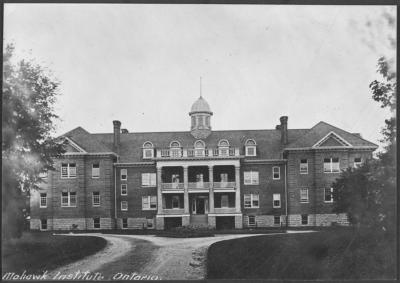
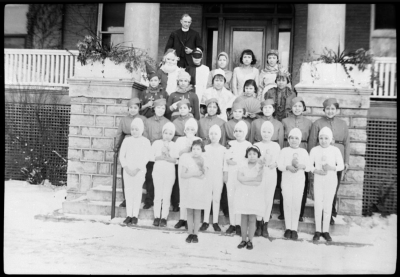
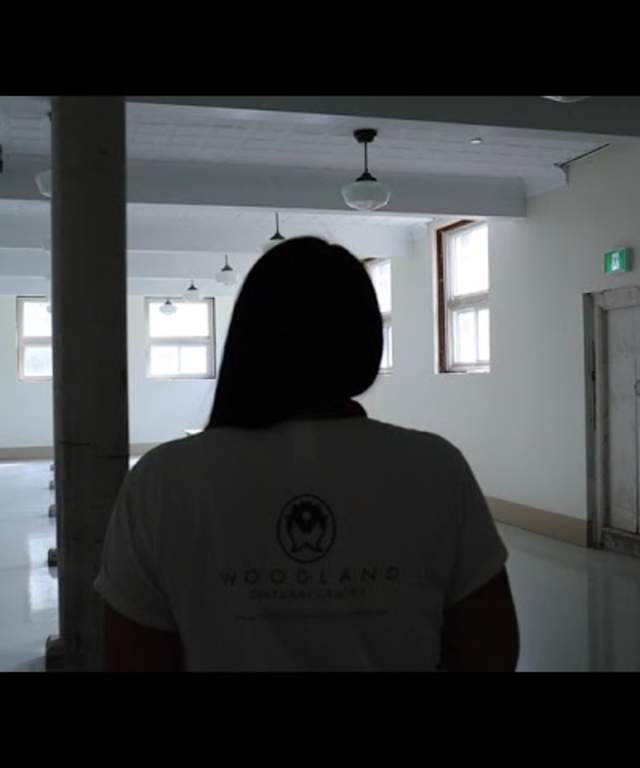
In remembrance of the atrocities committed at such sites in order that they never be repeated, at the request of the Six Nations of the Grand River community, the Woodland Cultural Centre in Brantford (30 minutes East of Oxford County) has renovated the former Mohawk Institute residential school located at 184 Mohawk St. as an International Site of Conscience. Now promoting awareness and truth, the site provides access for tours in 6 (six) different languages, with the support of electronic devices to aide in the sharing of the stories of survivors. Their powerful “Save the Evidence” campaign was launched to raise the necessary funds to restore the building and former site of Canada’s longest running residential school.
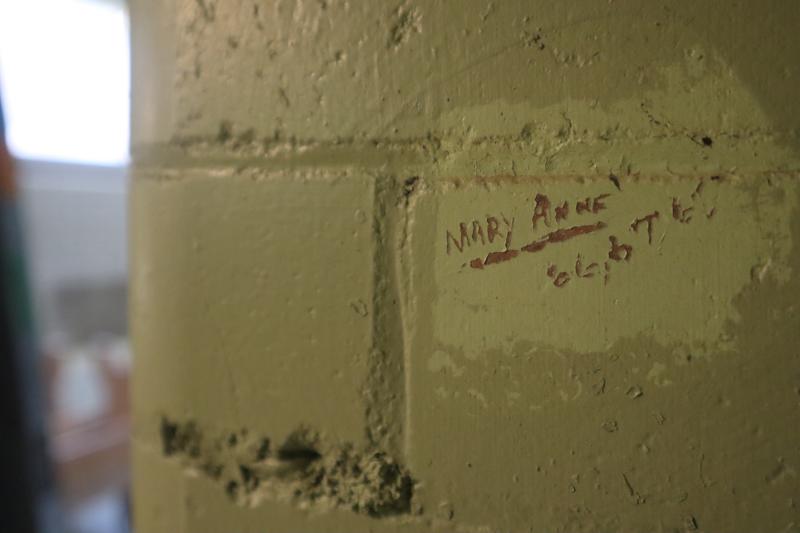
Often termed the “Mush Hole” by those who attended (in reference to their diet consisting of mainly overcooked porridge,) this school now stands as a monument to the resilience of Indigenous people, living in a society whose aim it was to assimilate them.
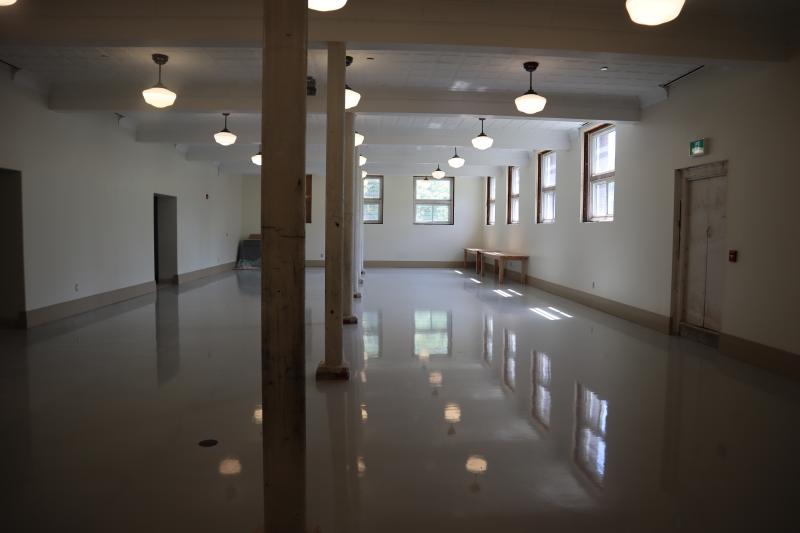
Oxford County residents and visitors are encouraged to recognize National Day for Truth and Reconciliation by attending an in-person event held by the Woodland Cultural Centre, visiting the Mohawk Institute for a tour (coordinated in advance,) or enjoying a virtual tour/event via the Experience Woodland link on the cultural centre page.
The Story of Orange Shirt Day
Prior to the National Day for Truth and Reconciliation, Orange Shirt Day was the original title given to September 30. This is based on author and residential school survivor Phyllis (Jack) Webstad’s story of her attendance at the St. Joseph Mission residential school in Williams Lake, British Columbia. Webstad was taken to the school at the age of 6 (six.) On her very first day, she was immediately stripped of her clothing, including the new orange shirt that her grandmother gave her, which was never returned. In telling her story of how the school aimed to assimilate Indigenous children by removing their clothing and forcing them to conform to Canada’s “societal norms,” Webstad published the children’s book entitled, “The Orange Shirt Story.” In subsequent years, she also published a series of picture books, a narrative entitled, “Beyond the Orange Shirt Story,” and has participated in the feature length documentary entitled, “Returning Home,” detailing her nationwide educational tour regarding the intergenerational trauma of Indigenous people resulting from Canada’s former policies. To purchase the book “The Orange Shirt Story,” visit the Goodminds.com bookstore located at 188 Mohawk St. in Brantford, or purchase online at Goodminds.com. They also have a broad collection of First Nation, Metis and Inuit books, as well as resources, gift cards, and Indigenous collections.
If you or your family wishes to show support for the National Day for Truth and Reconciliation (also known as Orange Shirt Day,) you can purchase an orange shirt from the Save the Evidence campaign at Woodland Cultural Centre, or source reputable Indigenous orange shirt creators, such as R&BCreeations, who support First Nation programs, knowledge sharing, and teachings.
Tillsonburg & District Historical Society Indigenous Cultural Celebration
On June 19, 2025, at Memorial Park in Tillsonburg, an Indigenous Cultural Celebration was held by the Tillsonburg & District Historical Society. Also happening in 2026 (date to be determined,) it’s a wonderful opportunity to experience Indigenous culture in Oxford County through speakers, song and dance, not to mention food! Featuring many special guests, musicians, drummers, and vendors, this event is free to attend and focuses on learning opportunities for non-Indigenous people to share and grow with their fellow Indigenous community members in a welcoming, social setting. Held during the weekend of National Indigenous Peoples Day (June 21st, annually,) this could become one of the foremost local celebrations through which Oxford County acknowledges its Indigenous ancestors and history. For more information, please follow the Tillsonburg and District Historical Society Facebook page for upcoming event posts and details.
Authentic Indigenous Experiences
The Two Row Initiative at Transitions Acres is a unique experience fostering awareness and knowledge-sharing between non-Indigenous individuals, groups, and organizations through authentic engagement with Indigenous culture. Located just outside of Tavistock, at 965243 Maplewood Sideroad, Transitions Acres founder Alisha Wilson is blending healing and connection through programming designed specifically around equine and human interaction. In addition to the many services, camps, and classes this facility hosts, the Two Row Initiative at Transitions Acres provided by Rebecca Neepin, Director of Indigenous Programs, through her own brand called Two Row Creeations. Neepin channels her deep passion and enthusiasm for her own rich Cree and Mohawk heritage and family values into every aspect of this program and offering. Their work together provides a safe, welcoming space in which non-Indigenous and Indigenous people can come together to share and learn in culture, heritage, and traditional teachings. Supporting youth, adults, and elders alike, this initiative features a Two Row Learning youth group, Full Moon Smudge Gatherings, an onsite medicine garden, Indigenous Blanket exercises, Ojibwe Spirit Horses.
An experience through the Two Row Initiative at Transitions Acres allows people to create sustained and supported relationships and allyship with and for Indigenous people. To book an empowering experience through this program please call (519) 608-7409, or email Transitions Acres through their contact form, available at the link provided here.
Two Row Creeations also provides Indigenous workshops and hosts the big annual Truth and Reconciliation March on Sunday, September 27th, 2026.
Indigenous Artists, Museums, and Galleries
Art, no matter its culture source, is a method of storytelling. Through the sharing of their creations, Indigenous artists who sculpt, paint, bead, do leatherwork, or practice other methods or mediums, are in fact sharing a story they wish to tell. Those wishing to enjoy such stories through creative expression are encouraged to appreciate works in the collection at the Woodstock Art Gallery among the many other local museums and galleries.
Maxine Noel
Maxine Noel is a renowned Indigenous artist of the Santee Oglala Sioux, born on the Birdtail reserve in Manitoba. A self-taught visual creator, her fluidity in paint often speaks to spirituality and the intrinsic internal fortitude of Indigenous women. She is a recipient of the Order of Canada as well as a board member for the Woodstock Art Gallery – a position which she accepted in 2019 following her move to Oxford County. Her featured art includes such timeless pieces as “Not Forgotten,” bringing awareness to the Missing and Murdered Indigenous Women and Girls (MMIWG) crisis.
She is also a supporter of the Native Women’s Association of Canada and was a founding board member of the National Aboriginal Achievement Foundation (now operating as Indspire.) Her works can be viewed at the Woodstock Art Gallery, and many of her art pieces (incorporated into a variety of gift collections) are available at the link provided here.
Woodstock Art Gallery
Oxford County museums and galleries consistently showcase Indigenous art in rotating exhibits, infusing the history, heritage and culture of a variety of First Nation backgrounds and stories. The Woodstock Art Gallery, located at 449 Dundas St., features Indigenous artist collections, exhibitions and rare special events incorporating works by renowned artists. Visit their website here to pre-plan a tour, or follow their Facebook page or Instagram account for details on upcoming events, exhibits and special content from Indigenous artists.
Woodland Cultural Centre
Located a short drive from Oxford County, at 184 Mohawk St. in Brantford, the Woodland Cultural Centre features a wealth of art and history of the Haudenosaunee people, with a mandate to preserve, protect and promote Indigenous languages and culture. Through innovative programs and exhibits, stories of the past and present are brought to life for guests and visitors. Among the variety of events, exhibitions, and a giftshop which features art, cultural pieces, and history, the Woodland Cultural Centre also manages tours and the sharing of knowledge for the former Mohawk Institute residential school, which is now recognized as an International Site of Conscience. Be sure to check out their website for up-to-date hours of operation, tour information, and special events.