Earth Day, which is formally observed on April 22nd annually, can conceivably be every day when you think about it. Here in Oxford County, we have a variety of green spaces, places, and green-thinking minds aimed at increasing biodiversity. What does this mean? By cultivating native plant species, restoring former habitats, and adopting sustainable land use practices, the number of local gardens, wetlands, and projects designed to conserve and cultivate are growing. If you’re an environmental enthusiast wanting to learn more about our local natural heritage and preservation projects, you’ve come to the right space.
Businesses Embracing Biodiversity
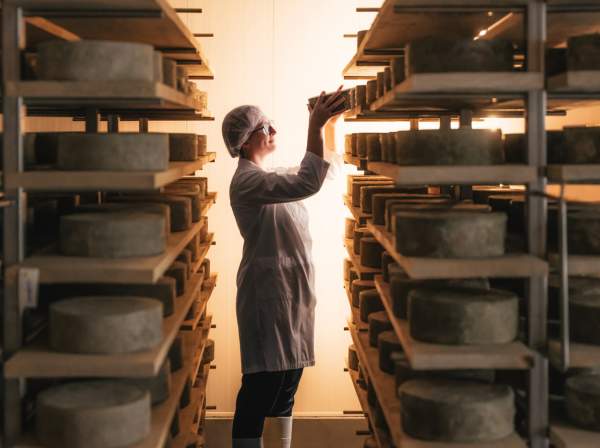
Increasing biodiversity doesn’t have to mean that our local spaces need protection from use. On the contrary, tourism to and participation in local projects is encouraged. The simple act of learning about these spaces, places, and initiatives lends itself to proactivity. As an example, an integral component to Tourism Oxford’s food and drink focus is the amazing Cheese Trail! By simply looking at the proposed itinerary and its unique culinary experiences, sustainable land use practices may not be at the top of your mind. And yet, they are a fundamental element to it. And yet, by visiting stops along this trail such as Gunn’s Hill Artisan Cheese and Golspie Dairy, in close proximity to Woodstock, you’ll find yourself part of a food chain formed with biodiversity and respect of the land at its heart.
Oxford County is recognized as the Dairy Capital of Canada. In celebration of this, Oxford Tourism has partnered with area cheesemakers, restaurants and attractions, as well as local retailers featuring fun activities, to design stops at hubs in Blandford-Blenheim, Woodstock, Gunn’s Hill, Tillsonburg, and Ingersoll. Each of them focuses on experiences centred around unique flavours (hello… cheese!) and offers which can be purchased, all of which are related to dairy. These can and have included artisan goods, factory tours, delicious food and unique experiences. Of these, the stand-out stops of Gunn’s Hill and Golspie Dairy noted above are two of many businesses in the county practicing sustainable and conscientious models.
Gunn’s Hill makes its award-winning cheeses from milk produced at Friesvale Farms, their neighbouring family dairy farm. The cattle at Friesvale receive the best of personal care, and much of their feed is grown and harvested on the hills surrounding their acreage, including grass and alfalfa, as well as corn. These sustainable ecological and farming practices and attention to animal care are what ultimately produces the top-quality milk that cheesemaker and owner Shep Ysselstein and his wife Colleen Bator use as the integral ingredient to their business. They’ve also planned and planted wildflower gardens and a pollinator meadow around their home and the cheese plant, which include five (5) acres of wildflowers and grasses that are indigenous to the area, dating back to pre-colonization. With an eye for maintaining the natural diversity of plant life in Oxford County, including such species as Purple Headed Cone Flower, Black Eyed Susan, Milk Weed, and Goldenrod among others, these garden spaces support numerous insects, birds and animals that depend on them. Shep identified that these re-naturalized spaces continue to be a “…work-in-progress as many non-native plants are difficult to eliminate completely.”
Not only that, but the owner-operators work extensively within their community to also make conscientious decisions in support of other small businesses with like minds. A shining example of this is the stock in their farm store of products that align with this mindset (and pair well with their cheeses!) Birch Bark Coffee is one example of such a product. This Indigenous-owned company offers a variety of organic, fair trade Arabica beans, all of which are certified to be grown organically without the use of chemicals, and all of which are ethically sourced.
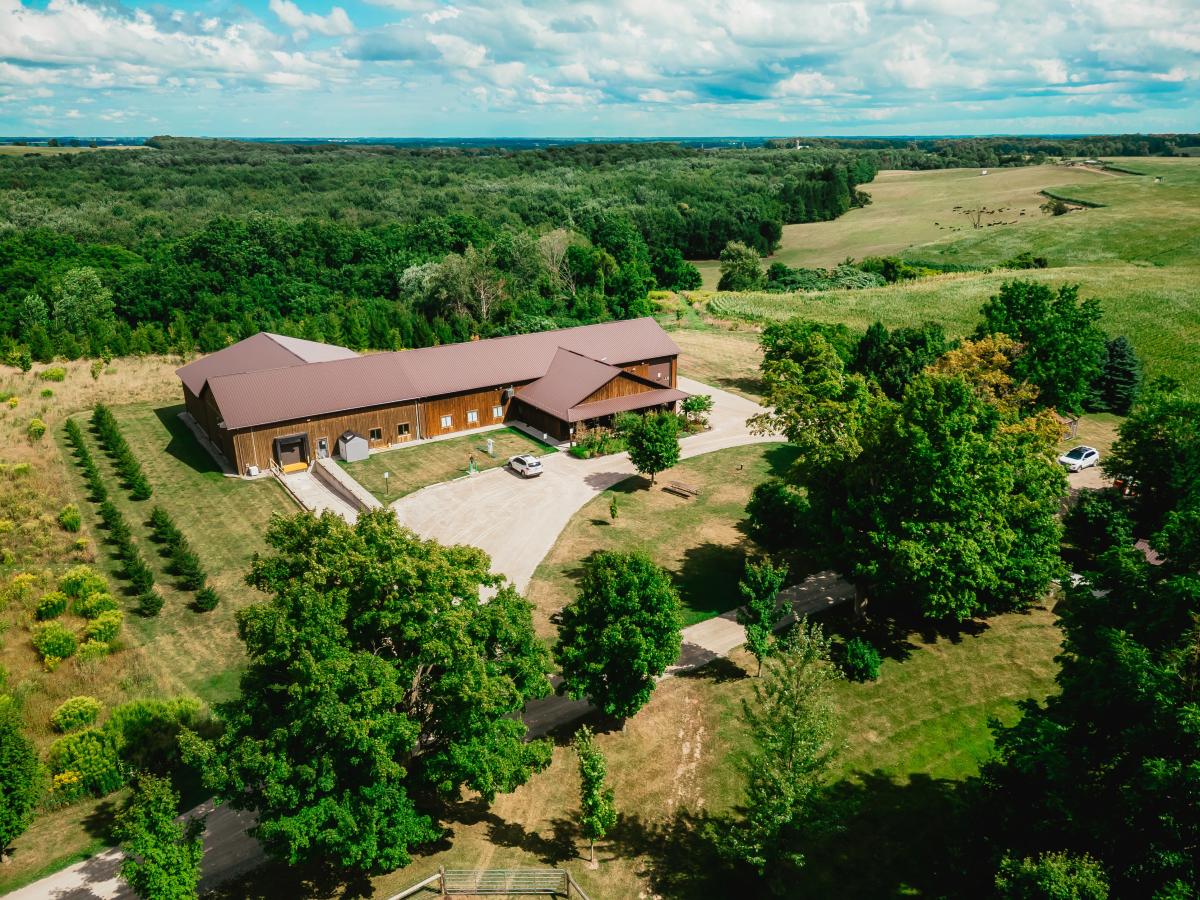
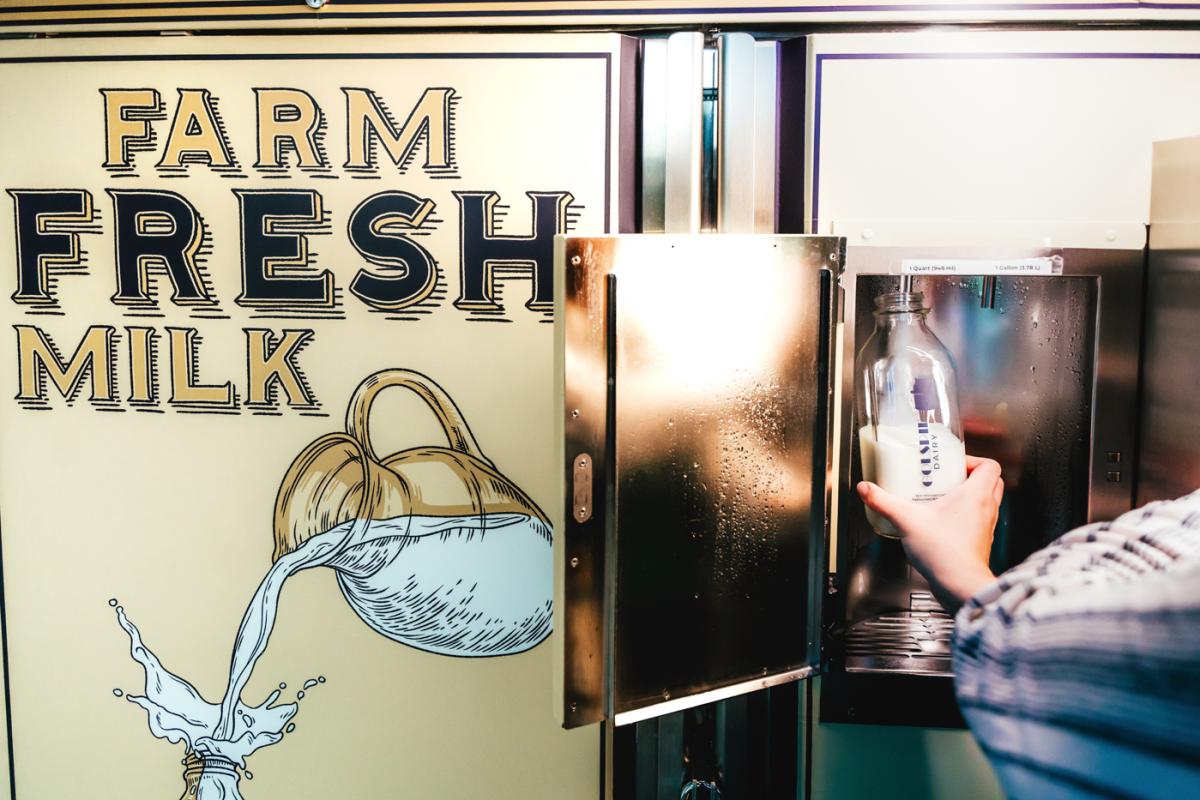
Golspie Dairy has been dairy farming since 1874 and making top-quality cheeses since 2022. Another amazing stop on the Oxford County Cheese Trail, this picturesque farm features an on-site processing plant and specializes in fresh dairy products, not the least of which, of course, is their delicious small-batch cheeses. Golspie also offers farm-fresh, pasteurized, non-homogenized milk that visitors can purchase from a vending machine either by bringing their own bottle, or by purchasing one from on-site. A stop at their store will amaze you. How many times have you dreamt of a vending machine that dispenses cheese?! Not only are their special milk products available via vending machine, but you can also purchase a variety of their cheeses in the very same way! P.S., both machines are coin or tap-enabled for debit or credit cards.
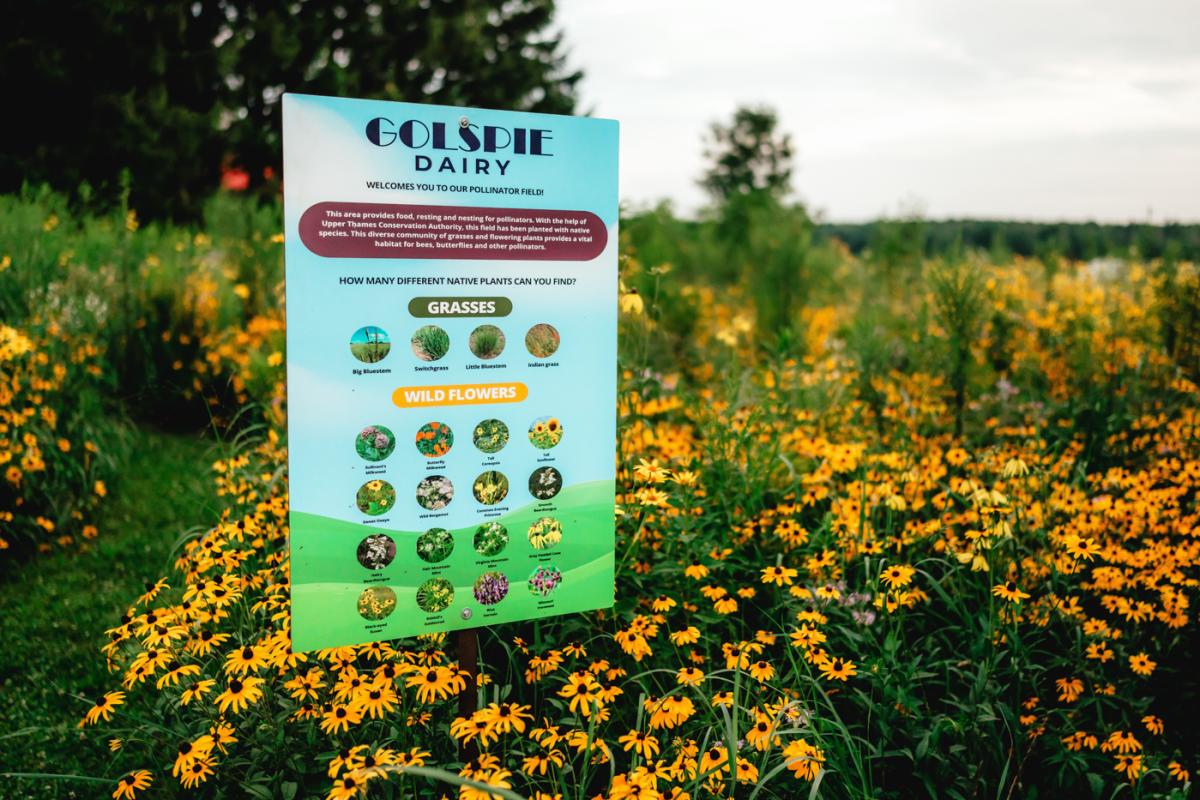
 But the real story behind Golspie Dairy’s success is their vision. In an industry based increasingly on growth, they have chosen purposely to remain small yet, again, conscientious. In partnership with their local conservation authority, they’ve planted a pollinator garden on the property which includes more than 20 native species of flowing plants and grasses! Visitors are encouraged to enjoy the space via careful maintained paths that permit access to and the enjoyment of the many plants, birds, and insects that call it home! Their farm’s focus is on a higher quality product built through community. They too celebrate like-minded businesses seeking to create products or services that make environment sense. And, as stewards of what that looks like, everything including the determination and selection of product packaging is as important to them as the quality of the ingredients that goes into them. Their efforts are focused on compostable and re-usable packaging wherever possible, making their sustainable choices and diversity of practice on par with their knowledge and skill in fine dairy management and cheese making.
Greener Pastures Ecofarm is also a stop on the Cheese Trail but is featured here for their farming approach. Located in rural Oxford County just outside of Woodstock, this agritourism enterprise is “on a farming adventure,” committed to the health of their land, animals, and community. Owners Andrea and Carl VanRooyen aim to provide the healthiest food possible through a mixture of farming methods rooted in current ecological knowledge. With a multi-species property, their key focus as stewards is to foster symbiotic relationships within the ecosystem they’re nurturing. They do so without the use of pesticides, synthetic fertilizers, fungicides, or herbicides, basing their farming decisions on three main ecological principles consisting of pasture-based, heritage breeds, being humanely raised. They practice rotating pastures for their numerous livestock and have worked with Ducks Unlimited to incorporate natural water retention and improved filtration, as well as increased biodiversity on their property.
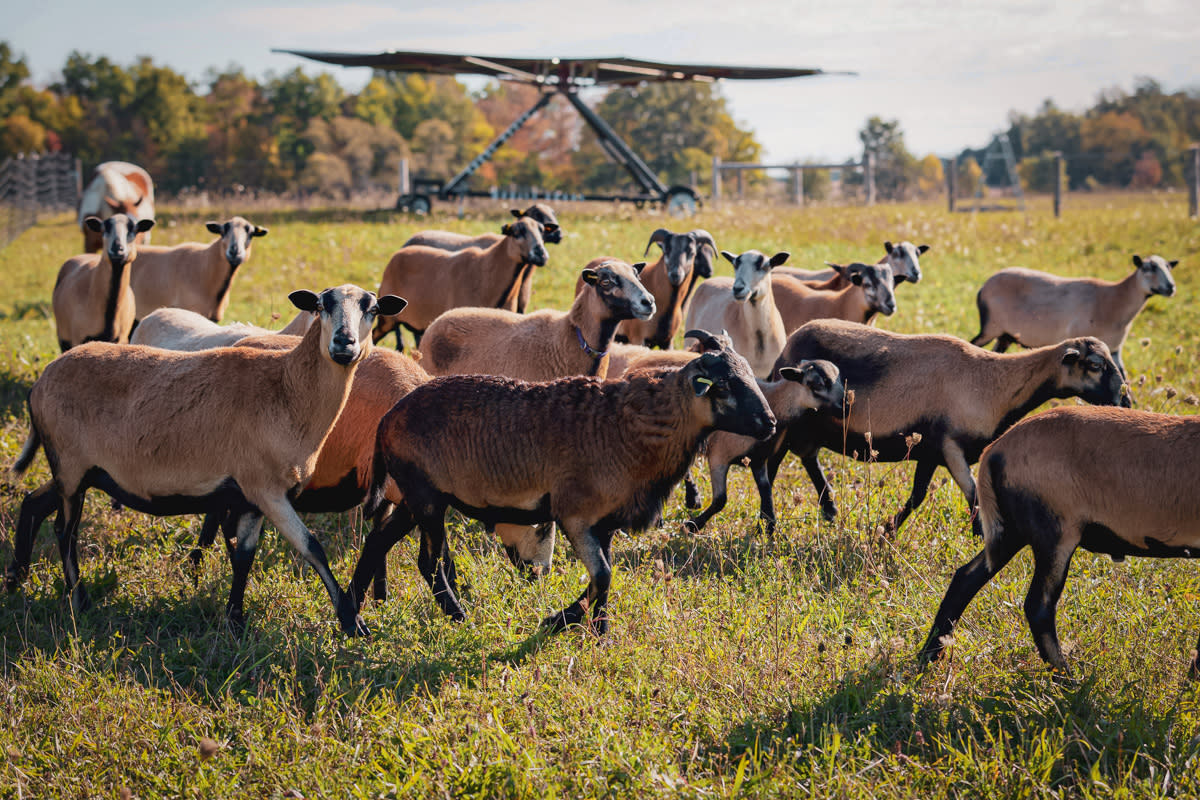 Now, this 30-hectare farm includes a restored one-acre wetland space! In addition to an on-farm shoppe which includes all of their own products as well as a variety of those from local producers and artisans, they also feature an on-line shoppe, can be found at the Woodstock Fairgrounds Farmers Market, and host a variety of experiences on their property! This includes the opportunity to camp on the farm! All the experiences at Greener Pastures Ecofarm are planned to perfection, always with respect for the land and their sustainable management practices in mind.
Working in the same agricultural vein as their county counterparts, but with a focus on equine-assisted wellness, Transitions Acres is a non-profit organization located just outside of Tavistock. Known for their offers in unique wellness and learning experiences designed with purpose and intent for their visitors, they’ve also developed a unique partnership with the added indirect benefit of increasing biodiversity here in Oxford County! Rebecca Neepin, founder of Two Row Creeations, is now also the Director of Indigenous Programs at Transitions, and has developed the Two Row Initiative at Transitions Acres. Dedicated to making and encouraging meaningful connections, this initiative supports education, engagement, and dialogue between non-Indigenous individuals and organizations and the rich experience of Indigenous culture. They support truth and reconciliation by honoring traditional teachings and cultivating understanding and respect. And, in that process they have designed and planted an Indigenous Medicine Garden. Designed as both a vibrant and colourful outdoor place of learning and spiritual connection, it’s built on historic, natural biodiversity, bringing life to various native plants they currently use for healing, medicines, and ceremonies. The property makes use of the space for exploring the symbiotic relationship between humans and plants, however the benefits to the area’s ecosystem as a result of cultivating native plant species has an importance which is not overlooked. By re-naturalizing using traditional knowledge, Transitions Acres, Rebecca Neepin, and the Two Row Initiative have offered both a powerful and meaningful opportunity for facilitating a healthier relationship to our natural surroundings.
Also focused on sustainable farming and ecological initiatives, YU Ranch, located just outside of Tillsonburg, has been evolving over its many years of operation raising 100-percent grass-fed Texas Longhorn cattle. Recognized as an industry leader in sustainable agriculture, their list of provincial, national and international awards is extensive. They take “…great pride in enhancing an already ecologically important part of Carolinian Canada…” and ensuring that their cattle and ranching practices have a symbiotic relationship with it. Through their wetland and freshwater stream, forest, grassland, and pollinator habitat restoration and management, YU Ranch is at the forefront of increasing biodiversity. They’re a proud advocate of sustainable agriculture and often speak on behalf of these initiatives, engaging audiences through education and industry alike. Their operations speak to the most effective way to develop land with the intent of living with nature as opposed to trying to control it.
Prior to wider settlement of Oxford County, the native plants that populated this specific region did so without human introduction. They adapted to the local climate, soils, wildlife and populations of Indigenous people who inhabited the area, ultimately existing in a natural symbiotic relationship. With new development of the land, so came the introduction of plant species which were not native to this area. This necessitated “management” by humans. With that came the introduction of deforestation, industrialization, and the misuse of water resources to sustain it all. Fast forward to the late-20th century, a growing shift in mindset resulted from witnessing the great drain on resources and ecological damage that resulted from populating this area and its diverse eco-system with non-native plant species. This mindset was grassroots at first (pardon the pun,) and began being advocated for and supported by municipal, provincial and federal agricultural and natural resource programs, with a focus on restoration.
With restoration comes great responsibility. The continuity of wildlife gardening within Oxford County on the basis of education on and care for native plant species, wildlife, and the diverse eco-systems which once were Indigenous to this area, is progressing at a great pace. Terra Nova Nordic Spa & Cafe, located just outside of Woodstock, is a shining example of what can happen when a great idea meets boots-on-the-ground. The spa property not only makes use of solar power to support its operations, but they also incorporated gardens filled with native plant species. Terra Nova identifies with a “…commitment to sourcing locally…” for their onsite café and a dedication to responsible stewardship in all that they do. By also prioritizing Canadian organic body care and skin care lines, making use of compostable and reusable cups where possible, and making conscientious environmental operating decisions, the spa excels at sustainability.
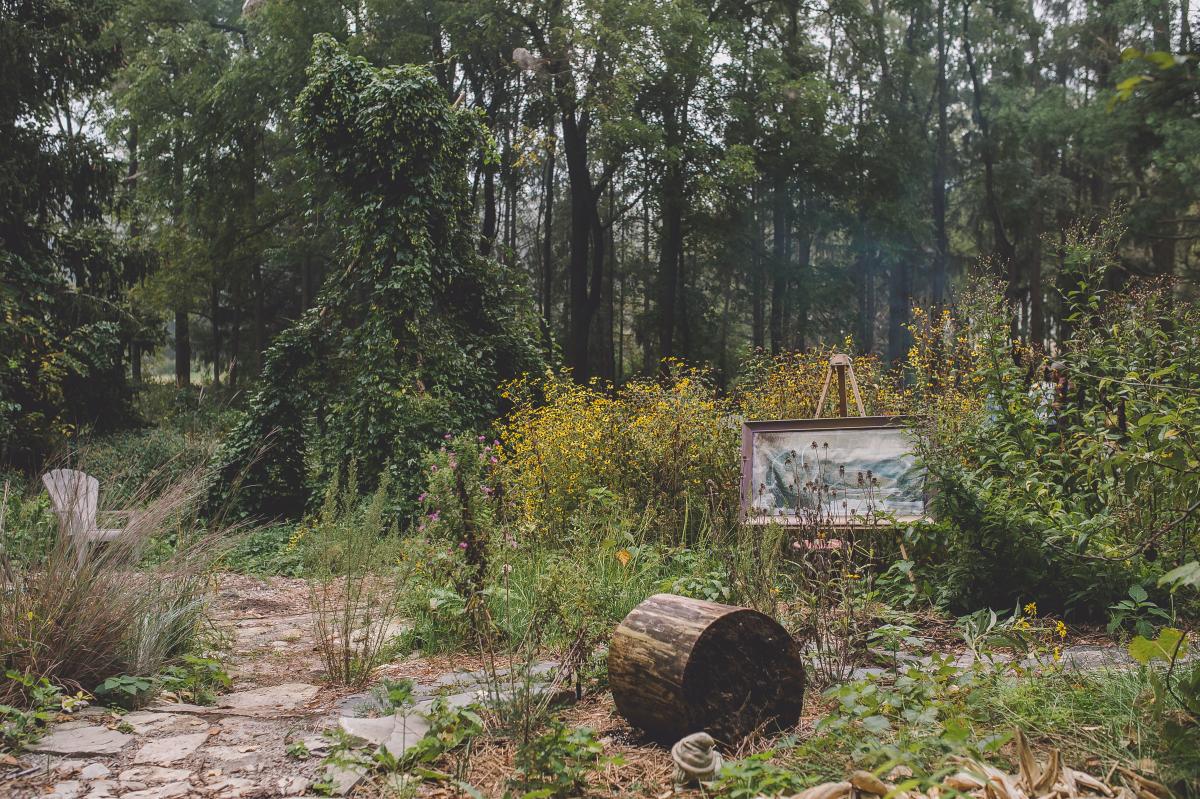 If you want to get to the root of native species you see at many of the aforementioned businesses, visit Crystal Bradford and Liam Kijewski at their garden centre Wildlife Gardening. Wildlife Gardening planted many of the gardens you see at both Gunn’s Hill Artisan Cheese and Terra Nova Nordic Spa. A visit to their farm you will find the air buzzing with pollinators as you explore the various forest, meadow and water plants they grow. Wildlife Gardening also regularly hosts workshops and performances at area festivals that celebrate nature and biodiversity.
Visiting Trails and Natural Areas
Through Oxford County’s Forest Management Plan (2018) it has been working planting new trees in existing forests (830 trees across 2.2 ha), planting new forests (12,500 trees across 7.4 ha) and invasive species management across 32.8 ha and competition management across 4 properties.
 Visitors can see such work at 3 unique restoration and well-managed nature preserves and sites including Hodges Pond, Chesney Wilderness Area, and parts of the Thames River Trail system. The Hodges Pond restoration project is located near Woodstock, consisting of a 400-acre land parcel. It transformed a degraded former millpond into what is now considered to be a flourishing re-naturalized wetland through the removal of a dam, giving rise to significantly increasing the area’s biodiversity. The project was spearheaded by the Upper Thames River Conservation Authority (UTRCA,) in consultation with Ducks Unlimited Canada and local partners. As a result, it now features the rehabilitated Cedar Creek, a variety of tree species that were known to be Indigenous to this area, new wetland cells, as well as a 2.7 km loop trail for public use. As a result, its transition from a sediment-filled degraded lake to a cold-water stream system has revitalized the natural habitat, fostering turtles, fish, and other wildlife in the process. Those interested in learning more about the UTRCA are encouraged to visit their website here for more information or check them out on the social media channels! Not only do they do powerful advocating on behalf of the environment within our communities, they also manage many public spaces and sites that welcome visitors annually to experience the great outdoors. One such space of their diverse locales is the W.L. Dickson Arboretum. Located between Innerkip and Woodstock, this area was established in 1974. The initial 10-acre site, which was part of Pittock Conservation Area lands, was leased from the UTRCA. It began with the concept of education and fostering care for a variety of tree species which are Indigenous to our climate and zone. Over the years it has grown to now 175 varieties, including shrubs and ornamental trees. It includes a trail system of approximately 1 kilometre, with side trails that connect back to the main loop, and permits access to walk through and learn about rare Carolinian species, including Chinquapin Oak and Pawpaw (Asimina triloba,) among many others.
In addition to the many great programs the UTRCA offers, they also participate on the iNaturalist app platform (found on the App Store) which is a plant and animal identification service built on science and conservation data! It can help you learn more about nature, the world we live in, and how that can be applied locally here in Oxford County. And, it can be of great use when you and your family visits any number of our area trails and public-use green spaces!
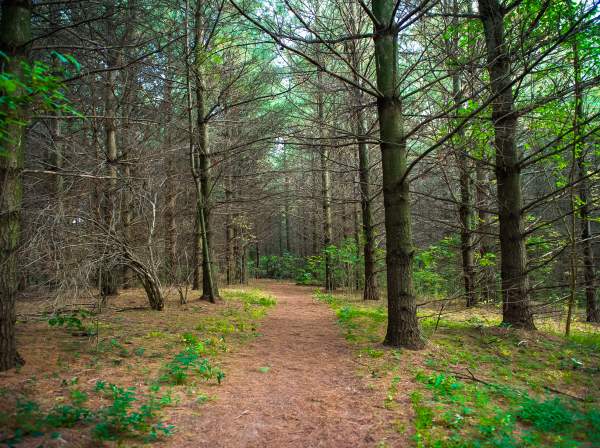
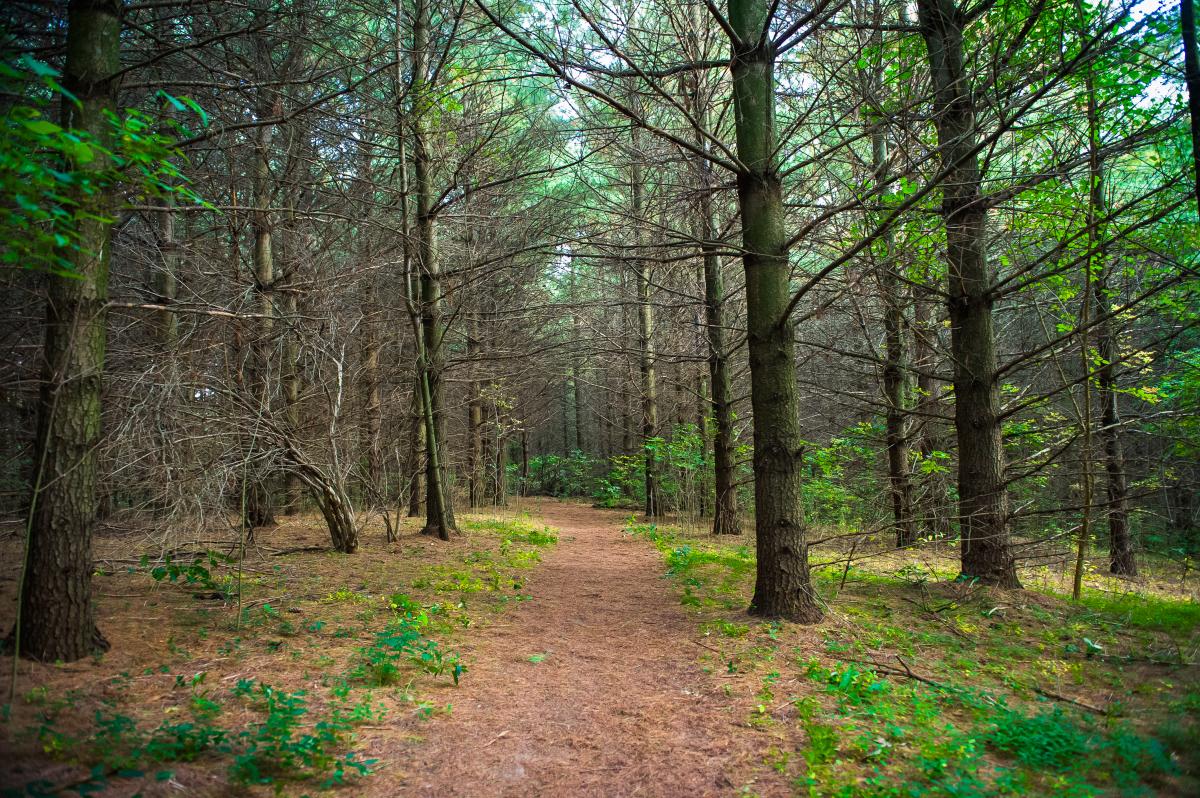
Under the management of the Grand River Conservation Authority (GRCA,) the Chesney Wilderness Area encompasses 93 hectares of protected mature species forest. Located east of Woodstock, near Drumbo, this site boasts the beautiful Hemlock Trail, as reflected by its name. The path begins at the wilderness area parking lot (parking by the road) and leads visitors through a mature stand of hemlock trees. This trail permits only walking and skiing, with no bike or horse access. At two (2) kilometers in length, it features a large loop labelled as the Maple Trail as well as the smaller Hemlock Trail loop. What’s even more unique about the Chesney Wilderness Area is the habitats which are found there. Containing a cedar swamp, a pine plantation, low grade hills and valleys, and a medium-age hardwood forest, trees in this area include such species as poplar, cedar, sugar and red maples, willows, black ash, and tamarack, among others. The vegetation, described as “…heavy, low…growth” includes raspberry bushes, wild grape, ragweed, and a variety of ground cover species.
Over the past several years GRCA staff have been engaged in a forest restoration project to improve biodiversity, habitat quality and forest health and resilience in conifer forest plantations found on the Chesney property. Approximately 70 acres (1/3 of the property) was reforested primarily with white pine in the mid 1980s and early 1990s. The primary objective of the original planting was to increase forest cover, augmenting the existing natural forest found on the property and creating a large, continuous 175-acre forest. Larger, connected forests provide important interior forest habitat, which is critical for many forest dependent wildlife species that are sensitive to edge effects and fragmentation. Planting conifer plantations is just a first step in restoring a diverse, healthy forest. They benefit from ongoing management which includes periodic thinnings starting when the trees are 30 to 40 years old. See the Plantation restoration | Grand River Conservation Authority webpage for information on GRCA’s Forest Restoration with conifer plantations. In the process of effective management and increasing biodiversity, the GRCA has conducted thinnings as well as engaged in efforts to control dog strangling vine (a non-native invasive plant that was starting to establish on the property.) In addition, they have sped up the establishment of native trees, shrubs and plants in the recently thinned areas this spring by planting 1800 tree, 300 shrub, and 600 understory plant seedlings within openings created by the thinning. They’ve also spread a seed mix with a very wide variety of understory plants, shrubs and trees. This includes a wide variety of native species such as shagbark hickory, red oak, walnut, sycamore, American hazelnut, chokecherry, wild geranium, and zigzag goldenrod, among others.
The thinning, invasive species control and underplanting will:
- Speed forest succession, increasing forest health and resilience
- Help restore a diverse forest understory increasing resilience against invasive plant species
- Improve habitat for pollinators, birds and other forest-dependent wildlife
How visitors to the property can help:
- Stay on designated trail system
- Keep dogs on leash (and pickup after dogs)
- Clean boots prior to visiting site to prevent the introduction of invasive species
The Thames River Trail system, with a focus from London/Middlesex into Oxford County, features initiatives that include flood protection, bank stabilization, the re-introduction of native plants and trees to the area, and effective trail management. This mitigates erosion and permits access to enjoy the space while minimizing environmental impact. Although there are several features to this project which are not accessible to humans, the numerous wetland plantings, the turtle and snake nesting, and the “re-wilding” of many parts of this trail and floodplain speak to the importance Oxford County sees in increasing bio-diversity in support of restoring delicate eco-systems which were indicative of a thriving climate. As a result, we now have the opportunity to re-discover (if you will,) “…trails covered in spring's magnificent blooms, autumn's most radiant colours, winter's snowy white blanket and the lushness of a meadow…” right here in Oxford County!
Another great resource for land protection, environmental conservation, and natural biodiversity is the Thames Talbot Land Trust. A quick visit to the website will show you that in addition to their vision and mission, they acknowledge the Indigenous people who once resided in our county and best held the original relationship between man and nature in Oxford County. They continue to work “…in the spirit and practice of reconciliation while caring for nature with respect and collaboration to build a greener and more inclusive future for all people.” As such, they hold title and management to a network of protected lands to conserve and restore nature in our area. Through them, visitors can learn about the history of these protected lands, partake in upcoming events that support their goals, and learn more through educational programming, community events, and volunteer opportunities!
With the restoration of natural spaces comes the management of invasive species. Oxford County is no stranger to that of phragmites, giant hogweed, wild parsnip, as well as a number of exotic species. As a result, projects have been launched throughout the county on private and public lands with respect to controlled management and removal. One such stand-out project is that of the Lawson Nature Reserve, often referred to as the Lawson Tract. Located near Salford this site features 15 hectares of protected area, including a restored pond and wetland habitat following phragmites control. Managed by Ontario Nature in conjunction with the Ingersoll District Nature Club, the Lawson Nature Reserve seeks to protect a provincially significant swath of the Carolinian Forest region together with its wetlands and Indigenous flora and fauna. It entails 1.6 kilometers of loop trails for public access with no fee for admittance. Volunteer stewards monitor the property and details of its permitted uses can be found here.
Although Earth Day is but one day in our calendar year, Oxford Tourism encourages all its readers to honour and respect the land and environment as a daily practice. By doing simply things such as not littering, picking up trash when visible and disposing in appropriate receptacles, monitoring water use, and opting-in on environmentally friendly options wherever given the choice, you can enhance the environment in which we live. Not only that, but by learning, researching, and encourage others to do the same, you too can develop biodiversity initiatives within our communities. Ensuring foraging is not done on protected lands, not on areas that off-limits to human traffic, and simply giving wildlife their space makes good environmental sense. We all know what happens when you try to take a selfie with a buffalo… although we don’t have buffalo in Oxford County, this concept still holds water locally. Don’t invade the habitat of a native species “for the ‘gram.” Respect their space and it will continue to flourish for both their enjoyment and yours.
When you’re planning to go outside and experience the immense biodiversity here in southwestern Ontario, Oxford Tourism has the trails, tips, and itinerary suggestions you need to embrace nature and make it a safe and fun experience for all. Click around the website, check out our Facebook and Instagram pages for more details, or reach out direct. We love to hear from you, and we’re happy to respond via email or DM on our social channels. Happy Earth Day to everyone!